+
  • 薄膜电导率测试夹具E501P.jpg
  • 薄膜电导率测试夹具E501Pinwater_副本.jpg

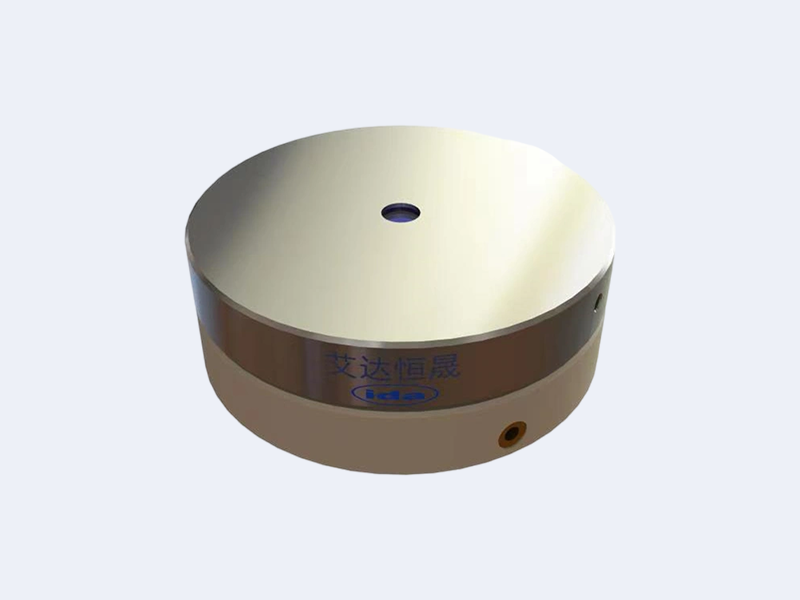
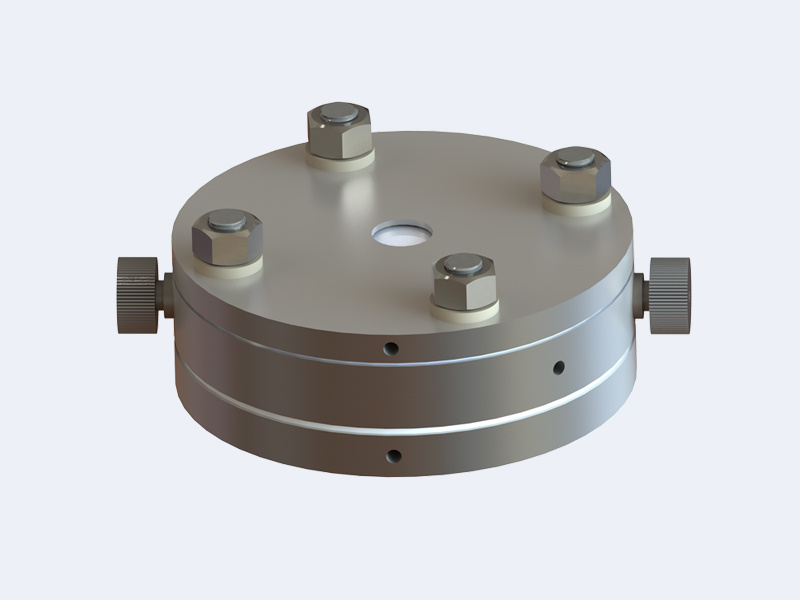
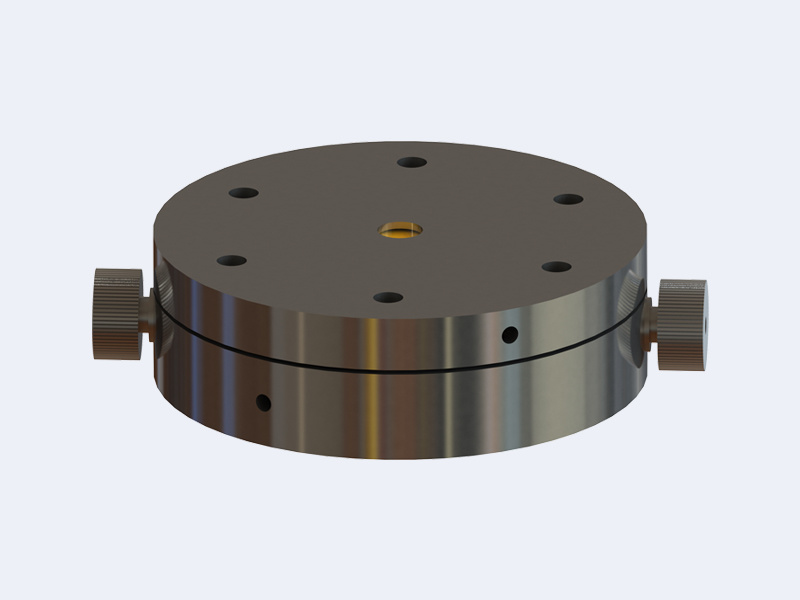
Proton Exchange Membrane Conductivity Testing Device E501P

It is primarily used for measuring the bulk ionic conductivity (perpendicular to the membrane plane) of solid electrolyte membranes such as proton-exchange membranes and ion-exchange membranes, and can also be employed for rapid measurement of the bulk resistivity or conductivity of conventional insulating or conductive thin films. The fixture is made mainly of stainless steel and PEEK, offering resistance to acids, alkalis, and high temperatures. Its electrode leads are positioned on the upper side of the fixture, enabling in-situ testing in electrolyte solutions (with the fixture placed inside a beaker) or under high‑temperature, high‑humidity conditions. During the clamping process, the metal electrodes move only vertically without rotating, thereby preventing damage to the membrane. Operation is straightforward: after cutting the membrane to size, place it into the fixture, tighten the knob to ensure proper contact—alternatively, a torque wrench can be used for precise pressure control—and then measure the membrane’s conductivity using the AC impedance spectroscopy (EIS) method.

Classification:

Membrane conductivity test device

Key words:

electrode


Messages
Proton Exchange Membrane Conductivity Testing Device — E501P
Product Type Membrane Conductivity Testing Device
Material Polyether ether ketone (PEEK) and high-quality stainless steel material
Uses and Features

It is primarily used for measuring the bulk ionic conductivity (perpendicular to the membrane plane) of solid electrolyte membranes such as proton-exchange membranes and ion-exchange membranes, and can also be employed for rapid determination of the bulk resistivity and conductivity of conventional insulating or conductive thin films.

Diameter less than Φ20 mm, thickness less than 5 mm.

The fixture is primarily made of stainless steel and PEEK, offering resistance to acids, alkalis, and high temperatures. Its electrode leads are positioned on the upper side of the fixture, enabling in-situ testing in electrolyte solutions (with the fixture placed inside a beaker) or under high‑temperature, high‑humidity conditions. During the clamping of the membrane, the metal electrodes move only vertically without rotating, thereby preventing damage to the membrane.
The procedure is straightforward: cut the membrane to size, clamp it in the fixture, and tighten the knob to ensure firm contact. Alternatively, a torque wrench can be used for precise pressure control. Finally, measure the membrane’s conductivity using electrochemical impedance spectroscopy (EIS).


Related Products


Messages

Submit Message