
H003 Gas (CO2) Reduction Device
Classification:
Electrochemical reduction of carbon dioxide
Key words:
electrode
Messages
| H003 Gas (CO2) Reduction Device | |
|---|---|
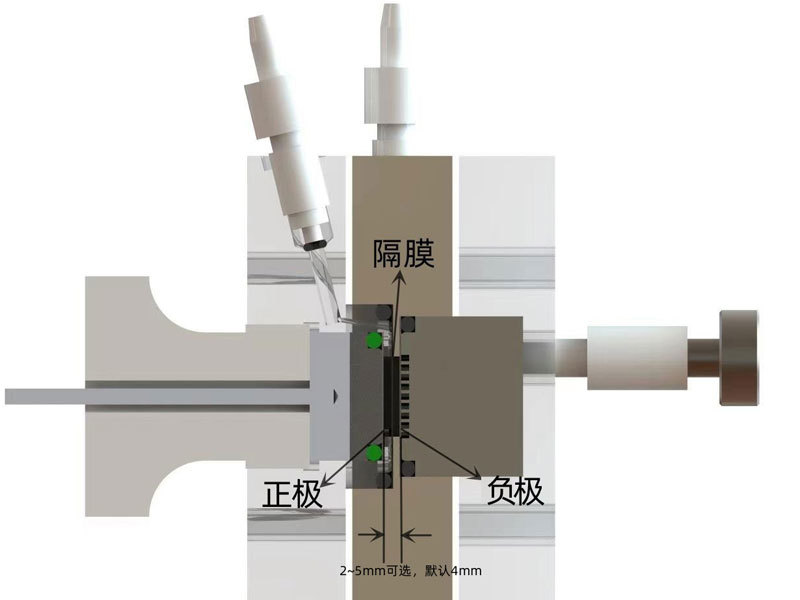
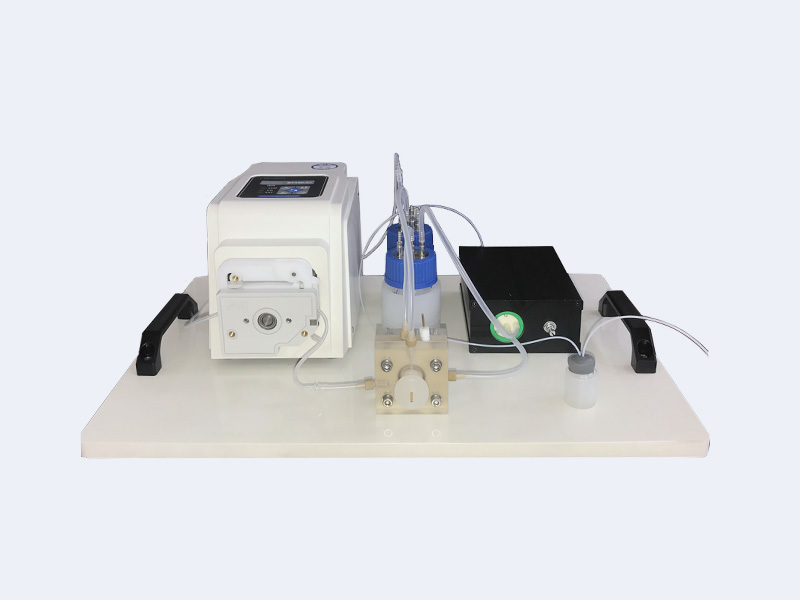
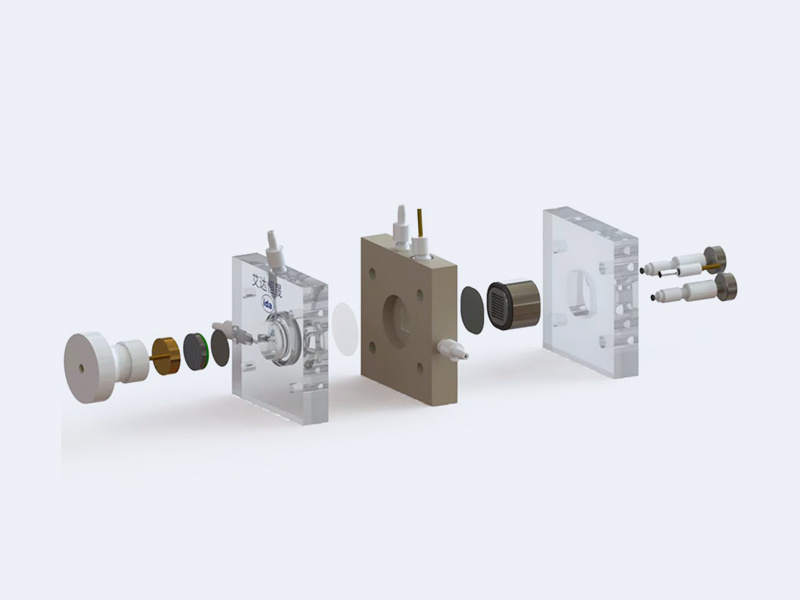
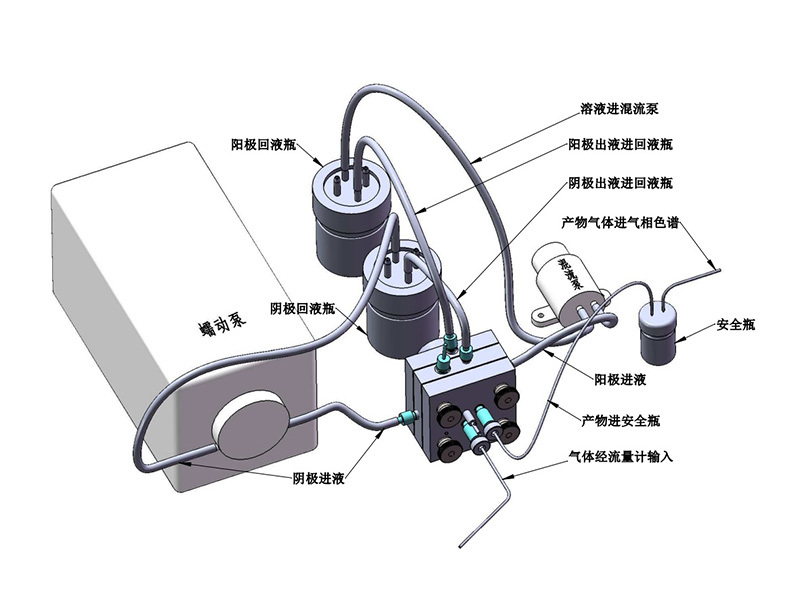
| Uses and Features | 1. The minimum electrode spacing of this device can be as small as 2 mm (with a separator in between). 2–5 mm available; by default, items are shipped at 4 mm intervals. It significantly reduces the resistance, eliminating the need for an electrochemical workstation with a high cell voltage; standard workstations can readily perform measurements at higher current levels. 2. The flow channel end is equipped with stainless steel contact electrodes, while the counter electrode employs graphite‑based components with gold plating. Compared to conventional copper tape–based conductivity, this design significantly enhances electrical stability. The reference electrode is directly inserted into the liquid flow channel, effectively eliminating bubble‑induced interference. The counter electrode may be a metal sheet, a mesh, or a foam structure—none of these configurations compromise the device’s sealing performance. 3. The electrode and separator mounting areas of the device both feature recessed grooves; pre-cut electrodes and separators are individually placed into these grooves, and tightening them ensures both a secure seal and electrical conductivity, thereby enhancing the overall assembly integrity. 4. The device features a simple, user-friendly overall structure that reduces operational uncertainty; this design effectively prevents leakage, poor insulation, and inadequate conductivity. |

Previous Page
Previous Page
Related Products


Messages
Tianjin Ada Hengsheng Technology Development Co., Ltd.


